Recent Posts
Join 159 other subscribers
Find us on Ravelry


The Corriedale evolved simultaneously in both Australia and New Zealand in about 1874 by selectively breeding from cross bred progeny of pure Merino and Lincoln sheep. The breed was developed to meet a demand for a dual purpose animal with good meat characteristics and commercial wool production.
Today with over 125 years of line breeding behind it, the Corriedale is sufficiently fixed that hybrid vigour results when it is crossed with any other recognised pure breed.
The modern Australian Corriedale is a large framed, plain bodied, polled sheep, capable of producing heavy carcases of lamb, hogget or mutton. Ideal for export and domestic markets, Corriedales produce heavy cutting bright fleeces, with good style, length and handle. Mean fibre diameter ranges from 25 to 30 microns in adult sheep to the low 20’s in lambs and hoggets. Yields which vary according to environment are in the 75% range.
Flocks are also in demand for hand spinning.
Corriedales are docile, easy care animals, excellent mothers with high fertility. They adapt to a wide range of climatic conditions, sometimes at very high altitudes, and are known to be “good doers” in poor seasons and have a strong constitution. They are suitable to the vagaries of the changing sheep markets, maintaining above average returns at all times.
It’s not too early to start planning your 2016 visit to the Australian Sheep and Wool Show.
 AT THE LARGEST EVENT OF ITS KIND IN THE WORLD, INCLUDING …
Australia’s biggest fibre fashion market, a growing technology hub, a strong community of long term stall holders enjoying year-on-year record attendance, popular food precincts and lifestyle displays
Started in 2012 by Mary Knox of New Zealand, Australian Spinning Wheels is a reference directory with photos and a little of history on each maker. Find your wheel on the website or share a story or ask a question on the Ravelry group. You are invited to submit additional photos and information to continue development of this wonderful resource.
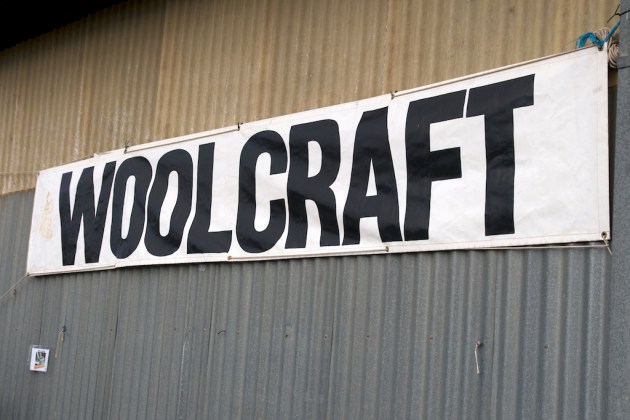
 Woolcraft at the Australian Sheep & Wool Show